








Electric vehicles have changed the way we think about driving. They accelerate differently, they distribute weight differently and they place new demands on tyres.
That has led to plenty of discussion among EV owners, particularly across online communities where drivers share their experiences with range, tyre wear and maintenance.
Some advice is useful. Some is based on older tyre technology or assumptions carried over from traditional petrol vehicles.
Here are five common EV tyre myths explained.
Myth 1: Increasing tyre pressure is enough to support an EV’s extra weight
A heavier vehicle needs tyres that are designed to handle its load. Adding more air pressure to a standard tyre does not change the tyre’s construction.
Pressure affects how a tyre sits on the road, but it cannot replace reinforced materials, sidewall strength or a structure designed to manage higher loads.
Over-inflating a standard tyre can reduce the amount of tread making contact with the road. This can affect grip, braking performance and comfort, while also contributing to uneven tread wear.
EV-specific tyres are developed around the demands of electric vehicles, including higher vehicle weights and different torque characteristics.
Myth 2: EV tyres are just regular tyres with a higher price tag
EV tyres may look similar to conventional tyres, but the engineering behind them can be different.
Electric vehicles produce instant torque, meaning maximum driving force is available immediately from the motor. Tyres need to manage these forces while maintaining traction, efficiency and durability.
Many EV-focused tyres also incorporate features designed to address common EV priorities, such as reducing rolling resistance to support efficiency and improving noise performance in quieter vehicle cabins.
The tyre is not simply carrying the vehicle — it is helping manage the way the vehicle delivers its performance.
Myth 3: Electric vehicles automatically destroy tyres
EV tyre wear is influenced by several factors, and the vehicle itself is only one part of the equation.
The instant acceleration available from an electric motor can place additional demand on the tyres, particularly if frequent hard acceleration is part of everyday driving.
Vehicle alignment, tyre pressure, rotation intervals and driving style all influence tyre life.
Maintaining correct pressures and rotating tyres at the recommended intervals helps distribute wear more evenly and allows tyres to perform as intended.
Myth 4: Low rolling resistance tyres sacrifice grip
Earlier generations of low rolling resistance tyres created concerns around reduced grip, but tyre technology has continued to develop.
Modern tyre compounds are designed to balance efficiency with handling and braking performance. Advanced rubber formulations allow manufacturers to reduce energy loss while maintaining the flexibility needed for wet and dry road conditions.
For EV drivers, efficiency is important, but it cannot come at the expense of safety.
Myth 5: EV tyre technology is still unproven
Electric vehicles are now widely used across global markets, and tyre manufacturers have spent years developing products specifically for their requirements.
Testing programmes assess factors including braking, handling, stability and efficiency to understand how tyres perform under demanding conditions.
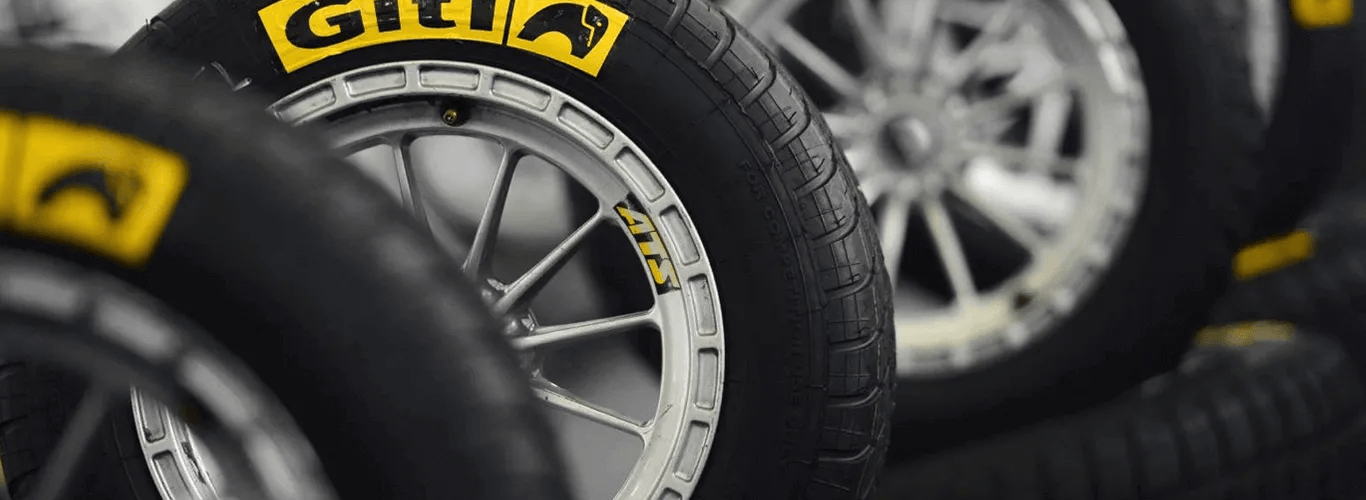
Giti’s AdvanZtech technology includes EV-ready tyre development focused on meeting the needs of modern electric vehicles. The Giti Tyre GitiSportS2+ has been tested in independent tyre evaluations, demonstrating the importance of tyre construction, compound development and vehicle-specific engineering.
The Reality Behind EV Tyres
EV tyres are not about adding an unnecessary feature or simply changing the label on a conventional tyre.
They are designed around the characteristics that make electric vehicles different: increased weight, instant torque, efficiency requirements and reduced cabin noise.
Choosing the right tyre helps your vehicle perform as intended, from maintaining confident braking performance to supporting efficient everyday driving.
For EV owners, the best approach is simple: follow the vehicle manufacturer’s recommendations, maintain your tyres correctly and choose products developed for the demands of your vehicle.

