







One of the first things most people notice when they switch to an electric vehicle is just how effortless they are to drive. Instant acceleration, smooth power delivery and near-silent cruising make it hard to go back.
The downside? Your tyres notice that performance just as much as you do.
Electric vehicles are typically heavier than petrol or diesel models thanks to their battery packs, and they deliver maximum torque the moment you touch the accelerator. That’s great for driving enjoyment, but it also means your tyres are working harder every time you head out.
The good news is that getting 50,000km or more from a quality set of EV tyres is completely achievable. It isn’t about driving like you’re on eggshells or buying the most expensive tyre available. A few simple habits make a surprisingly big difference.
Rotate them earlier than you think
If you’ve owned conventional vehicles for years, you’ve probably been used to rotating your tyres every 10,000km or whenever they’re serviced.
With an EV, it’s worth doing it sooner.
Most manufacturers recommend rotating tyres every 6,000 to 8,000 kilometres because the driven wheels are constantly handling the vehicle’s instant torque. Moving the tyres around regularly helps spread that wear more evenly, giving you a better chance of replacing all four together rather than wearing out one axle early.
Tyre pressure matters more than ever
A few PSI might not sound like much, but it can have a noticeable impact on an electric vehicle.
Because EVs carry more weight, the tyres rely on the correct pressure to support the vehicle properly. If they’re even slightly under-inflated, you’ll often notice reduced driving range, less precise handling and faster tread wear.
Checking your tyre pressures once a month only takes a few minutes and could add thousands of kilometres to the life of your tyres. Always use the pressures listed on your vehicle’s door placard, whether you’re driving an MG4, Tesla Model Y, BYD Atto 3 or another EV.
Don’t wait until they’re legally worn out
Australian law allows tyres to be driven down to 1.5mm of tread depth, but that doesn’t necessarily mean you should.
Many tyre specialists recommend replacing EV tyres once they reach around 3mm, particularly if you regularly drive in wet weather.
Electric vehicles place more load on each tyre, so having plenty of tread available to clear water becomes even more important. Replacing them a little earlier can make a noticeable difference to wet-weather grip and braking performance.
Quality tyres often cost less in the long run
It’s easy to compare tyres purely by their purchase price, but that’s only part of the story.
A tyre that wears out after 20,000km may look like a bargain until you find yourself replacing it far sooner than expected. A tyre designed specifically to cope with the extra demands of an EV can deliver significantly better value if it lasts twice as long.
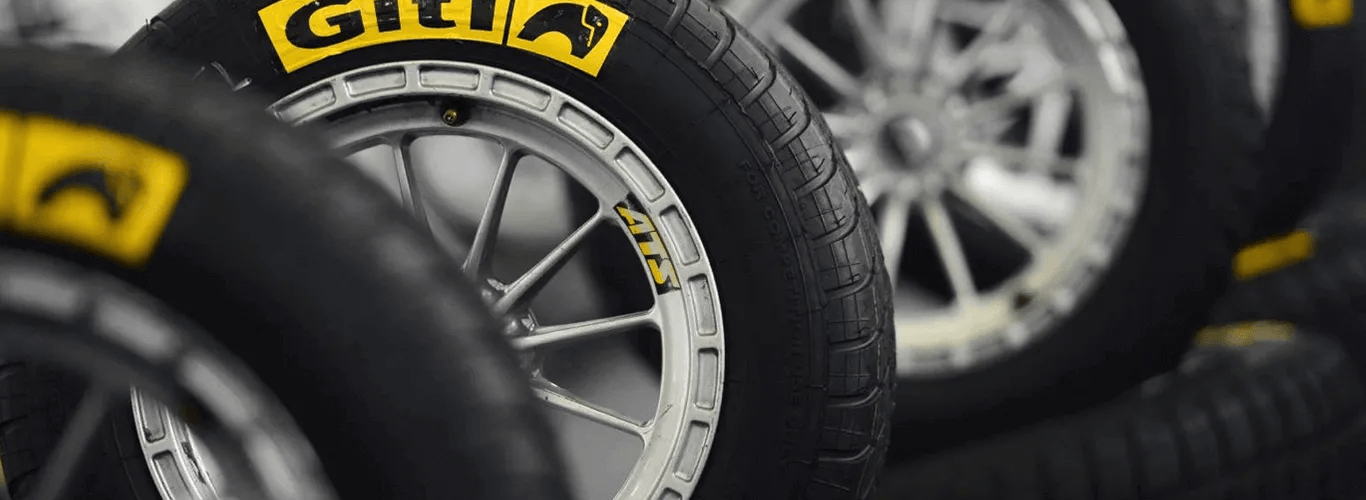
That’s where Giti’s EV-ready range comes into its own.
Built using Giti’s AdvanZtech technology, these tyres are engineered to handle the higher loads and instant torque produced by electric vehicles while maintaining low rolling resistance, predictable handling and long-lasting tread life.
If you’re driving one of Australia’s most popular EVs, you’ll find Giti has options designed to suit a wide range of factory fitments, including:
Tesla Model Y – GitiSport S2 in 255/45R19 and 255/40R20
Tesla Model 3 Highland – GitiSport S2 in 235/45R18 and 235/40R19
BYD Atto 3 – GitiControl P10 in 215/55R18
BYD Seal – GitiSport S2 in 235/45R19
MG4 – GitiControl P10 in 215/55R17
Kia EV6 – GitiSport S2 in 255/45R20
Rather than simply focusing on what you pay today, it’s worth considering how much each kilometre actually costs over the life of the tyre.
A few small habits can save you a lot of money
Looking after your EV tyres doesn’t require any special tools or mechanical knowledge.
Rotate them regularly. Check the pressures every month. Keep an eye on tread depth before it reaches the legal limit.
Combined with a tyre that’s engineered for the unique demands of electric vehicles, those simple habits can improve tyre life, help maintain driving range and reduce your overall running costs.
