







Tyre pressure is one of the simplest parts of vehicle care, but it has a direct influence on how your vehicle performs every day.
The amount of air inside your tyres affects how they connect with the road, how efficiently they roll and how they respond when braking, cornering or carrying extra weight. A tyre can look perfectly normal while still operating outside its ideal pressure range, which is why regular checks are an important part of maintaining tyre performance.
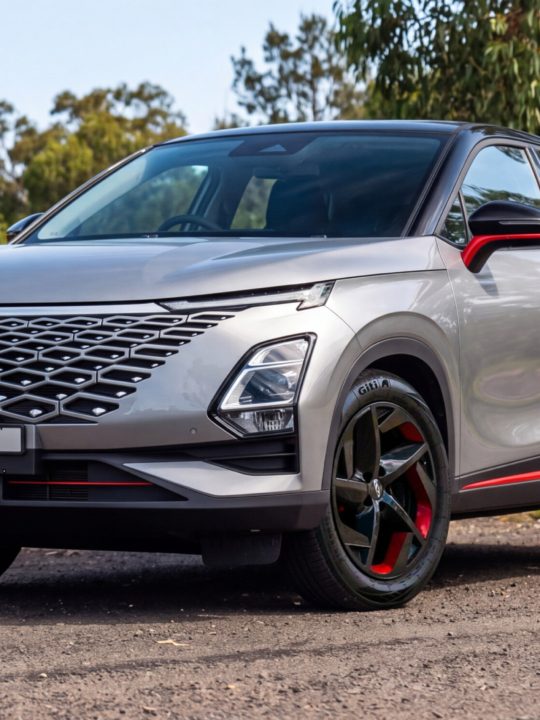
For modern vehicles, including SUVs and electric vehicles, correct tyre pressure helps ensure your tyres can handle the demands placed on them.
Your Tyres Are Designed to Work Within a Specific Range
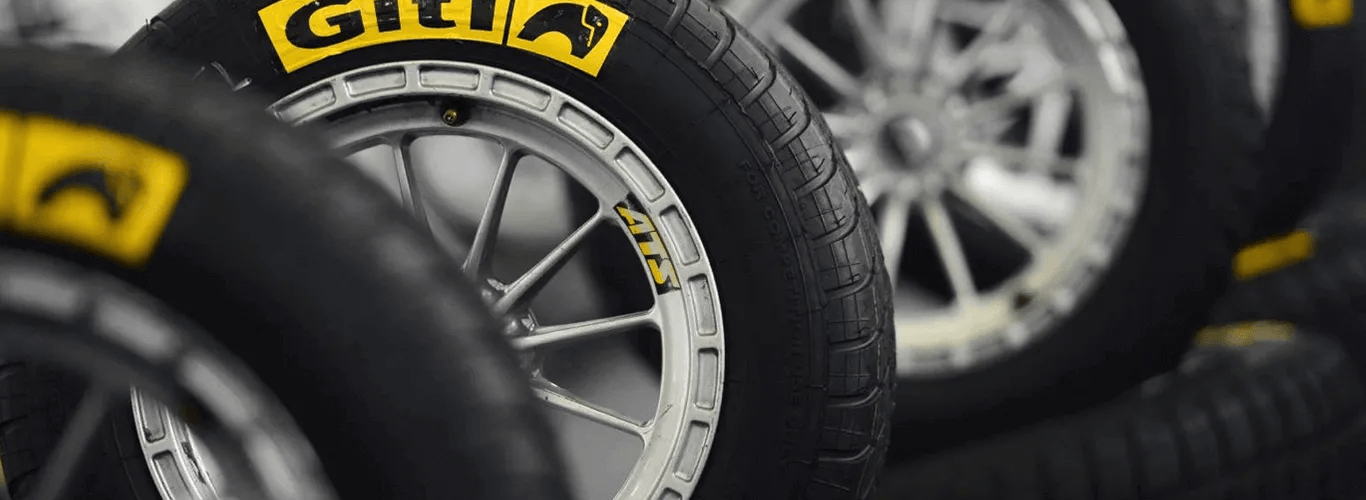
A tyre is engineered to balance grip, comfort, durability and efficiency. The air inside the tyre supports the vehicle’s weight while allowing the tread and sidewall to work as intended.
When the pressure is correct, the tread maintains an even contact patch with the road. This helps the tyre deliver consistent performance across different driving conditions.
Too little or too much air changes the way the tyre moves. The contact area can shift, the tyre can generate more heat, and the vehicle may not feel as stable or predictable behind the wheel.
The Pressure Inside Your Tyres Changes How Your Vehicle Drives
Drivers often notice tyre pressure through changes in the way their vehicle feels.
A tyre that is below the recommended pressure has to flex more as it rotates. This additional movement creates heat and increases rolling resistance, meaning the vehicle requires more effort to keep moving.
Over time, this can contribute to faster wear and reduced efficiency.
Excess pressure can also affect performance by reducing the amount of tread working against the road. This may change ride comfort and reduce the tyre’s ability to absorb uneven surfaces.
The goal is not to use the highest pressure possible. It is to maintain the pressure specified for your vehicle.
Why Tyre Pressure Matters for EVs and Modern SUVs
Vehicle design has changed significantly, and tyres are being asked to manage more than ever before.
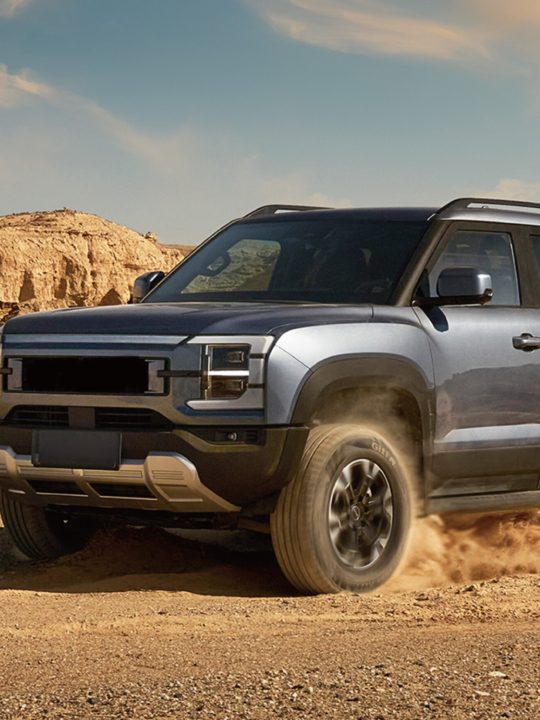
Many SUVs carry greater weight than traditional passenger cars, while electric vehicles add further load through their battery systems. EVs also deliver instant torque, placing additional forces through the tyres during acceleration.
These characteristics make maintaining the correct tyre pressure even more important.
For electric vehicles, tyre pressure can also influence efficiency. Under-inflated tyres create more rolling resistance, meaning the vehicle needs to use more energy to maintain movement. Keeping tyres correctly inflated helps support consistent driving range and overall efficiency.
A Small Pressure Change Can Affect Tyre Wear
Tyres do not always wear evenly when they are not maintained at the correct pressure.
Under-inflation can place more stress on the outer areas of the tread, while over-inflation can increase wear through the centre of the tyre.
Uneven wear not only reduces the usable life of a tyre but can also affect the way the vehicle handles over time.
Regular pressure checks help identify changes early and allow adjustments before they become a larger issue.
Tyre Pressure Is Affected by Temperature
Air pressure naturally changes as temperatures rise and fall.
A tyre checked after driving will usually show a higher reading because the air inside has warmed and expanded. For the most accurate measurement, pressures should be checked when the tyres are cold.
Checking pressures monthly, before long trips or after significant temperature changes helps keep them closer to the vehicle manufacturer’s recommendation.
Finding the Correct Tyre Pressure for Your Vehicle
The correct pressure is determined by the vehicle manufacturer and is based on factors such as vehicle weight, suspension design and tyre size.
The recommended pressure can usually be found on:
- The vehicle placard inside the driver’s door area
- The fuel filler flap
- The owner’s manual
Some vehicles use different pressure recommendations for front and rear tyres, particularly when carrying additional passengers or luggage.
The maximum pressure shown on the tyre sidewall is not the recommended setting for your vehicle. It represents the tyre’s maximum allowable pressure, not the pressure required for everyday driving.
The Right Pressure Helps Your Tyres Perform as Intended
Tyre pressure is a small detail that influences many parts of the driving experience.
Maintaining the correct pressure helps your tyres manage the weight of your vehicle, maintain contact with the road and deliver the balance of performance, comfort and efficiency they were designed to provide.
A few minutes spent checking your tyre pressure can help protect your tyres, support vehicle performance and ensure you get the most from every kilometre.
